At a glance
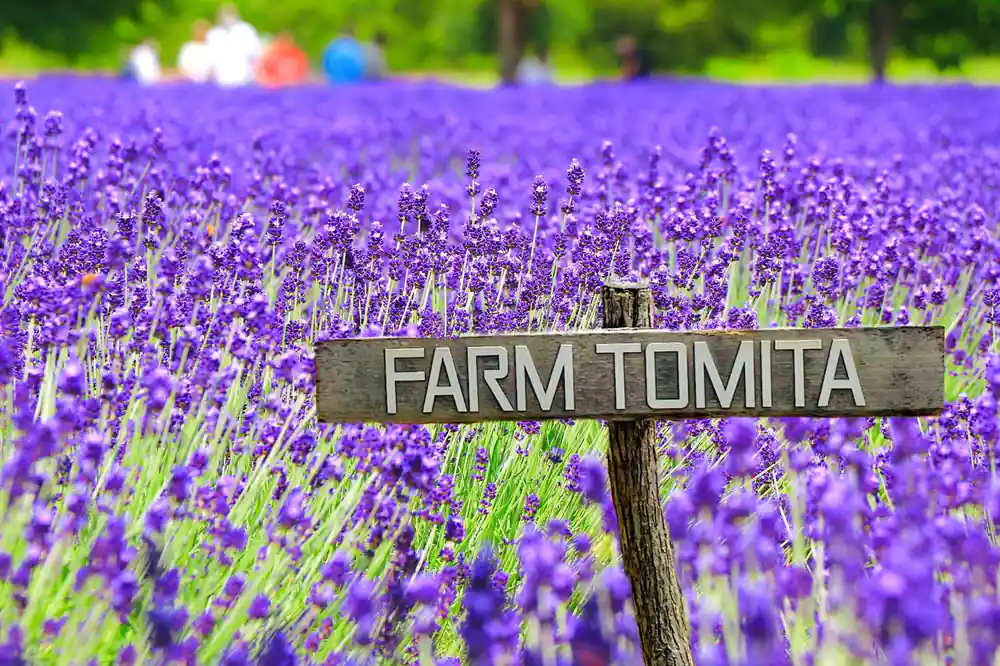
- Farm Tomita's Traditional Lavender Field blooms from late June to late July, with the best viewing season in early to mid-July.[1]
- Shikisai-no-oka is a set of panoramic flower gardens in Biei spread across fifteen hectares of land.[2]
- The Blue Pond was created accidentally in 1988 when erosion control dams were built along the Biei River.[3]
- The Blue Pond winter illumination runs from October 24, 2025 to April 22, 2026 and is lit until 9:00 PM.[4]
- The Colored Hokkaido: Furano Flower and Biei Blue Pond From Sapporo tour is from US$48 and rated 4.56 from 122 reviews.[5]
- Top choice Colored Hokkaido day tour from US$48 Duration1 day[5]Rated4.56 from 122 reviews[5]Guide languagesEnglish, Chinese, Japanese, Korean[5]Free cancellationUp to 24 hours in advance[5] Check availability
- Biei Best 5 Photo Spots from US$60 Duration10 - 10.5 hours[6]Rated4.72 from 77 reviews[6]Guide languagesEnglish, Korean, Chinese[6]Free cancellationUp to 24 hours in advance[6] See this tour
- Asahiyama Zoo and Blue Pond from US$48 Duration9 hours[7]Rated4.25 from 113 reviews[7]Guide languagesEnglish, Chinese[7]Free cancellationUp to 24 hours in advance[7] See this tour
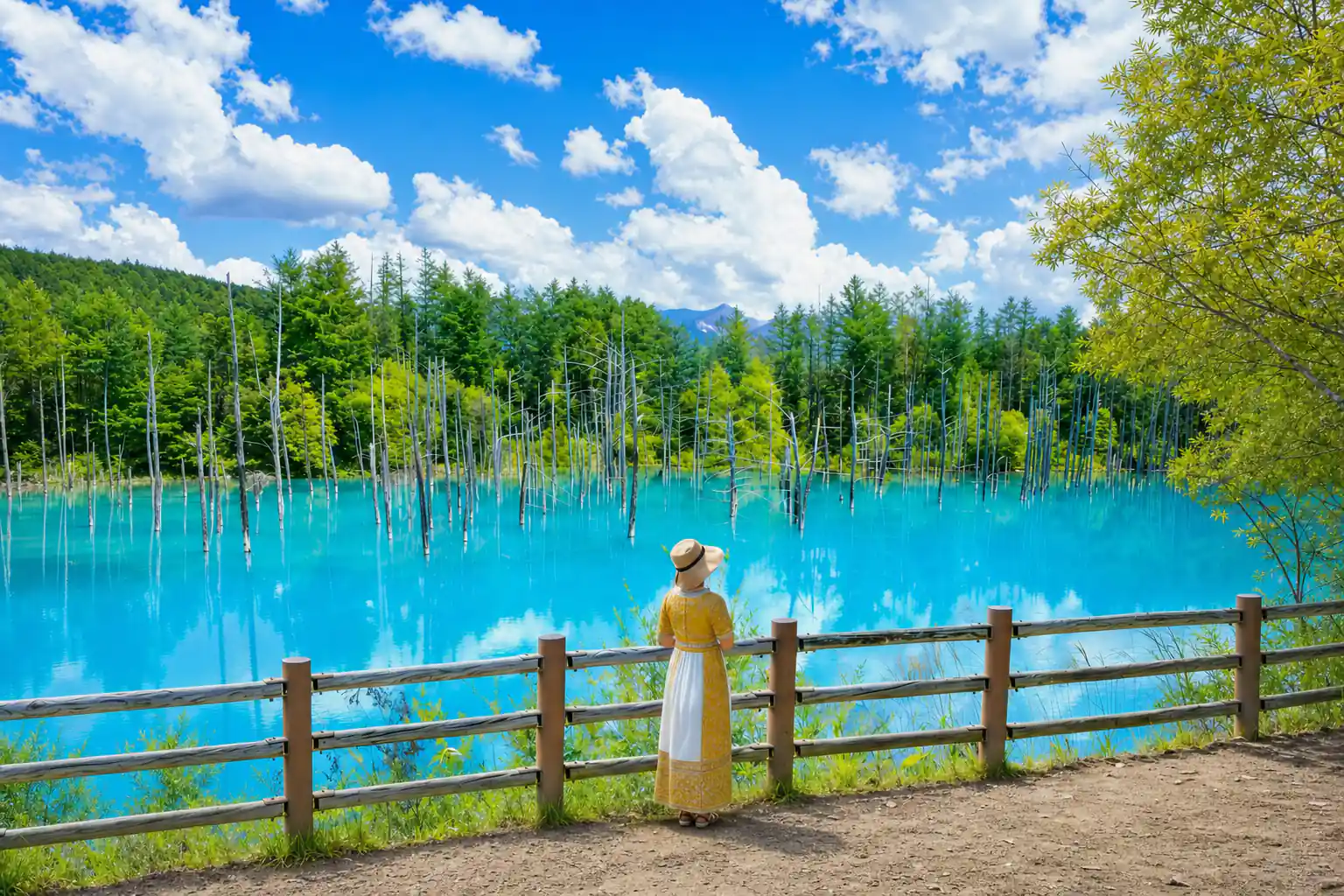

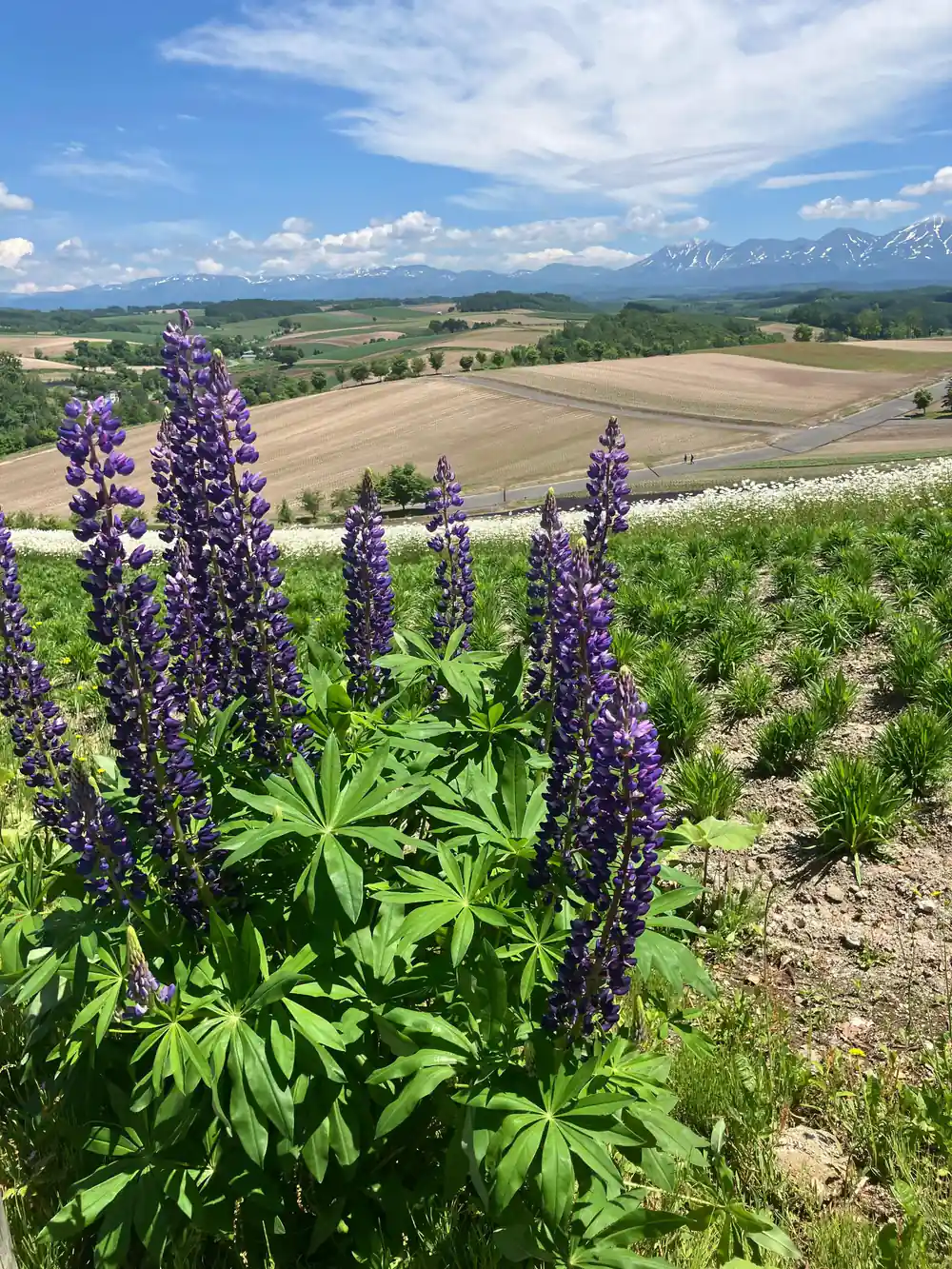
The panoramic flower gardens of Shikisai-no-oka provide spectacular views across fifteen hectares of land on Oka-no-machi Biei.
Who this Biei and Furano flower calendar suits
Pre-booking checklist
On the day
Furano flower season: the short answer
If you are working out when to visit the Furano flower fields, the honest answer is that the season is shorter and sharper than most people expect. Lavender sets the rhythm: at Farm Tomita's Traditional Lavender Field the blooming season runs from late June to late July, with the best viewing season in early to mid-July.[1] Around that spine the rest of the calendar fans out. Shikisai-no-oka spreads panoramic flower gardens across fifteen hectares of Biei hillside.[2] The working crop fields add stripes of their own, since wheat is one of the four main crops in Biei's rotation alongside potatoes, beans and sugar beet.[10] The hills are gentle, the farm roads run long and straight, and the whole area is built around agriculture rather than around visitors.
So the question of when to visit comes down to what you want in the frame. Lavender is the shortest window of all, while mixed gardens, hill views and the Blue Pond run across a much longer stretch of the year. The Colored Hokkaido: Furano Flower and Biei Blue Pond From Sapporo tour runs the loop by coach, stopping at Patchwork Road, the Blue Pond, Shikisai No Oka, a local restaurant and Farm Tomita.[5] It is listed from US$48 and rated 4.56 from 122 reviews, with free cancellation up to 24 hours in advance.[5] Decide your month first, then your transport, then your layers, and the rest of the planning falls into place.
Spring green and the replanted beds
Spring is the quiet shoulder of the year here, and some travellers prize it for exactly that. Lavender is still to come, because the blooming season at Farm Tomita's Traditional Lavender Field does not begin until late June.[1] What you get instead is the land waking up: new leaf on the birch and larch, the first green on the hill fields, and farm machinery working long furrows under a huge sky. Biei has a cold continental climate with warm summers and freezing winters,[8] so spring here can still swing back to cold without much warning. Pack a warm mid layer and a rain shell rather than assuming sunshine.
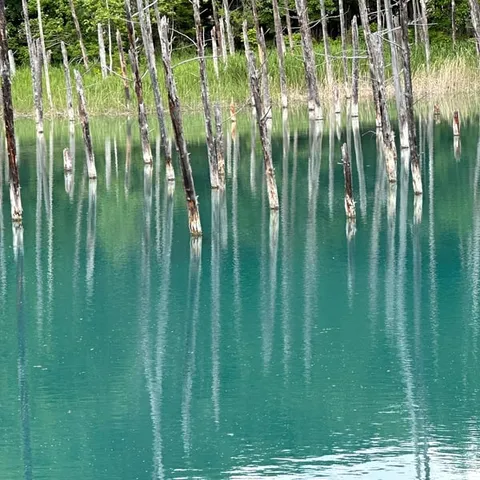
The patchwork hills keep their pattern in spring, just in browner and softer tones, since the rotation of wheat, potatoes, beans and sugar beet is sown across the season rather than all at once.[10] Roads are quieter and viewpoints calmer, which suits slow photography and a stop at the Blue Pond without queueing at the rail. The dead Japanese larch and white birch standing in the water are the remains of a once dry patch of forest, and with snowmelt moving through they read almost like sculpture.[11] Bring boots you do not mind getting muddy.
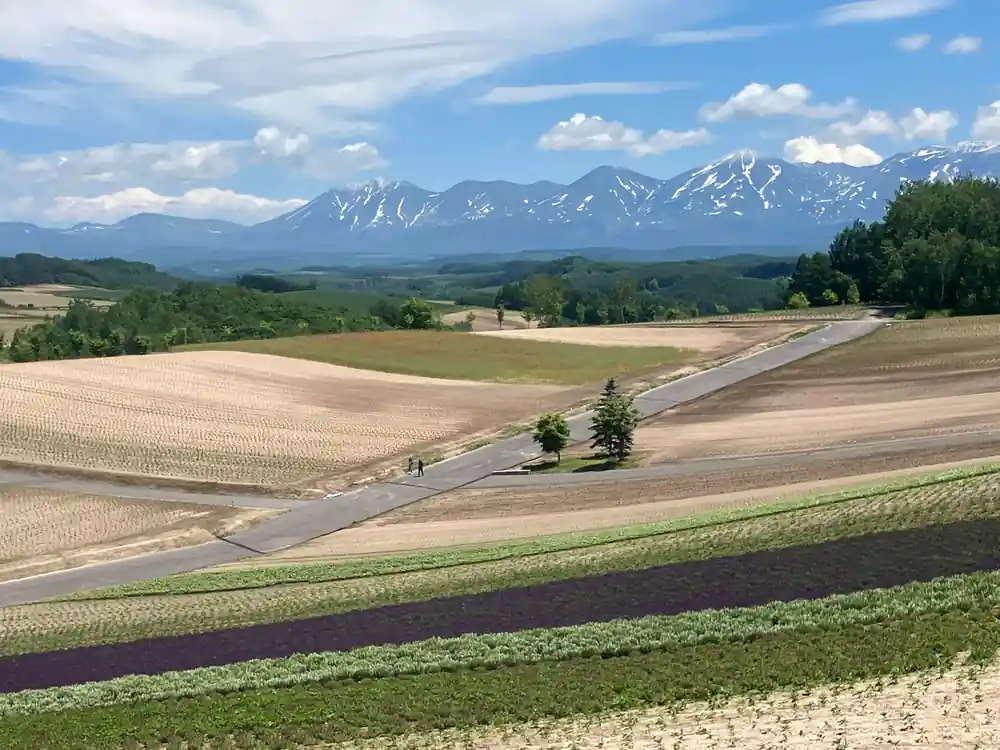
Rows of colour on the Biei hills, with the Daisetsuzan peaks behind
Early summer: the Biei and Furano flower roads
For many travellers the answer to what to do in Hokkaido in early summer is simple: leave Sapporo and drive the flower roads before the high season builds. Lavender is only starting, because the blooming season at Farm Tomita's Traditional Lavender Field opens in late June.[1] Before that the hills are green rather than purple, and the gardens at Shikisai-no-oka are open across their fifteen hectares with beds replanted and filling in.[2] The Blue Pond is generous in this stretch too, when the water carries plenty of snowmelt and the forest around it is at its freshest.
Getting there without a car is entirely possible. From Biei Station the Blue Pond is about 20 minutes by Dohoku Bus route 39, and from Sapporo it is about 1 hour 25 minutes by JR Limited Express to Asahikawa plus 60 to 70 minutes by bus.[9] That means lining up connections on a timetable with a limited choice of departures, so plenty of visitors take a coach day trip instead. The Colored Hokkaido tour collects passengers from 2 starting location options in Sapporo and runs with guides speaking English, Chinese, Japanese or Korean.[5]
Peak lavender and the summer crowds
This is the stretch the whole calendar is built around. The best viewing season for the Traditional Lavender Field at Farm Tomita is early to mid-July, and the blooming season there continues to late July.[1] If lavender is the point of your trip, this is the window to aim for, and it pays to have transport settled well before you fly. A coach tour takes the guesswork out of parking and timetables and leaves you free to look at the fields rather than the road.
Plan the day around light and heat. Mornings are cooler and calmer, the middle of the day is bright and busy, and the late afternoon softens the hills again. The Blue Pond rewards a pause in any weather: suspended aluminium hydroxide colloids in the water scatter blue light in a process called Rayleigh scattering, so the surface can shift between deep navy and pale turquoise.[12] Carry water, wear a hat, and keep a light jacket in your bag, because Hokkaido evenings cool down even in midsummer. A small tripod helps if you shoot late, though the wind off the hills can pick up.
from US$48
Furano Flower and Biei Blue Pond From Sapporo, rated 4.56 from 122 reviews, with free cancellation up to 24 hours in advance.[5]
Late summer: the shift towards autumn
By late summer the lavender at Farm Tomita's Traditional Lavender Field is over for the year, since the blooming season ends in late July.[1] The flower farms keep their beds planted though, and this stretch brings its own palette of warm colours across the hills, with sunflowers and other tall blooms in the mix. Land that was green in early summer turns gold, and the whole picture looks heavier, drier and more agricultural than it did earlier in the season.
It is a lovely stretch for the patchwork roads around Biei. Wheat, potatoes, beans and sugar beet sit at different stages in the rotation, so the hills show several colours side by side.[10] Biei itself is a small place, with a population of 9,775 as of 31 December 2020, and the fields open straight onto the roads with almost no sprawl between them.[13] Days are still warm, evenings come earlier, and the light softens as autumn approaches. Farmers work these fields through the season, so keep to the paths and viewpoints rather than stepping into a planted field for a photo.
Autumn colour at Shikisai no Oka
Autumn turns the Biei and Furano hills into something closer to a watercolour. Shikisai-no-oka and its fifteen hectares of panoramic gardens stay a focal point as the beds and the surrounding trees change.[2] Nights get cold, and Biei's cold continental climate means freezing winters are already on the way.[8] The Blue Pond winter illumination starts on October 24, 2025 and runs to April 22, 2026, with lighting until 9:00 PM, and in October the lights come on from 5:00 PM.[4]
The drive out to Shirogane is worth more than the pond alone. Shirahige Falls drops approximately 30 meters into the Biei River and is a rare subterranean stream waterfall, with water flowing directly from cracks in the rock face.[14] Above it all sits Tokachidake, 2,077 m (6,814 ft) at the summit and last active in 2004.[15] The Blue Pond itself was created accidentally in 1988, when erosion control dams were built along the Biei River to protect against mudflows from that volcano.[3] Seeing the geology on the ground makes the colour easier to believe.
Cold summers and shifting bloom dates
One thing to hold lightly is the exact date a flower opens. Bloom timing moves from year to year with snowmelt, spring warmth and summer rain, so a field at its best in the second week of July one year can be a few days ahead or behind the next. The published seasons are your guide: lavender at Farm Tomita's Traditional Lavender Field from late June to late July, with the best viewing season in early to mid-July.[1] Build a little slack into your plans if flowers are the whole reason for the trip.
Biei's climate is a cold continental one, with warm summers and freezing winters, so even high summer can bring a cool, damp day.[8] Bring layers you can shed and add, shoes that cope with wet grass and gravel, and a waterproof for your camera. If you are travelling for the gardens rather than the lavender, Shikisai-no-oka's fifteen hectares are planted and open through the warmer months, and the Blue Pond and Shirahige Falls sit close enough together for one outing.[2] The Blue Pond reached a worldwide audience when it appeared in Apple's WWDC 2012 MacBook Pro with Retina Display introduction.[16]
From prices for Sapporo day tours
Each bar is the from price of one Sapporo day tour listing.[5][6][7][17][18]
Furano and Biei day tour prices from Sapporo
From prices per person for these listings; child rates are not given in them.[5][6][17][19]
When to plan your Furano and Biei days
Planning your flower day
Choose your month
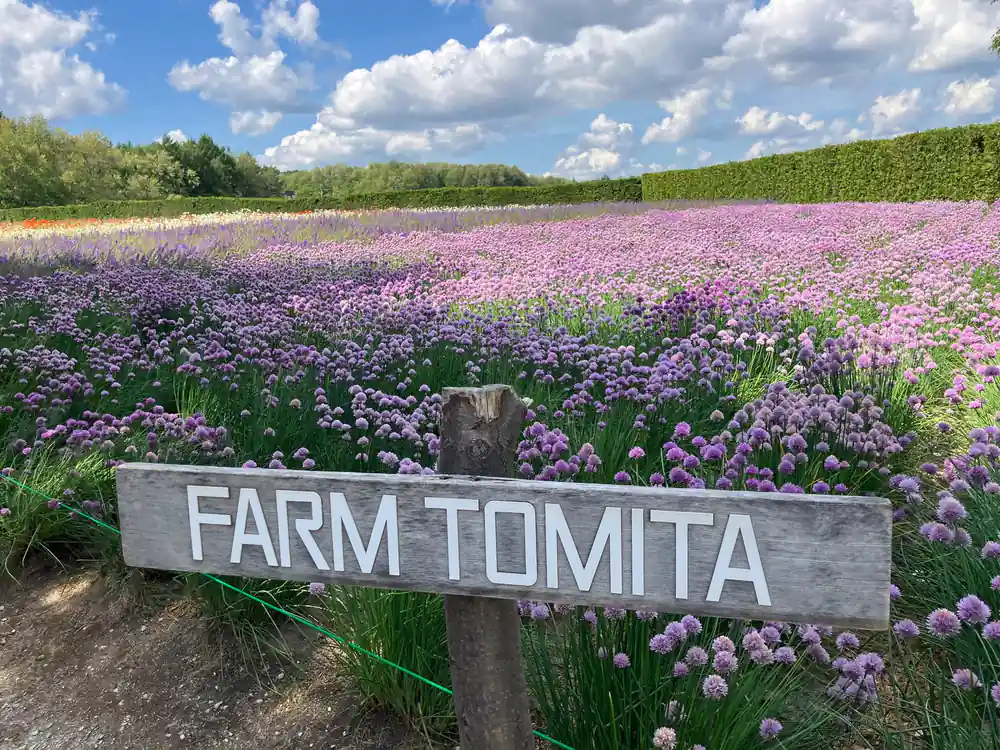
Lavender at Farm Tomita runs from late June to late July, so the peak window suits flower hunters best.[1]
Work out your transport
The Blue Pond is about 1 hour 25 minutes from Sapporo by JR Limited Express to Asahikawa plus 60 to 70 minutes by bus.[9]
Book the coach day trip
The Colored Hokkaido tour covers Patchwork Road, the Blue Pond, Shikisai No Oka and Farm Tomita in one day.[5]
Pack for cool weather
Biei has a cold continental climate with warm summers and freezing winters, so bring a warm mid layer.[8]
Keep the evening free
A coach day tour runs a long, full day out from Sapporo, so leave the evening open.
Ride the Furano and Biei flower roads on a full day coach tour
from US$48Reserve now & pay later