At a glance
- Tokachidake stands at 2,077 m (6,814 ft) over the farmland and last erupted in 2004, and its ash country drains fast.[1]
- Warm summer weeks and a short growing season, with a melon buffet bus tour starting from US$46.[2]
- Cold-climate vines, mountain grass and dairy farms, with cheese and wine stops that slot easily into a day out.
- Shikisai-no-oka covers fifteen hectares, and Farm Tomita's traditional lavender peaks in early to mid-July.[3][4]
- The Colored Hokkaido day trip from Sapporo starts from US$48 and takes in the farmland and the Blue Pond.[5]
- Top choice Furano, Biei & Blue Pond from US$48 Duration1 day[5]Guide languagesEnglish, Chinese, Japanese, Korean[5]Rating4.56 from 122 reviews[5]CancellationFree cancellation up to 24 hours[5] Check availability
- Biei Best 5 Photo Spots from US$60 Duration10 - 10.5 hours[6]Guide languagesEnglish, Korean, Chinese[6]Rating4.72 from 77 reviews[6]CancellationFree cancellation up to 24 hours[6] See this tour
- Zoo, Waterfall & Blue Pond from US$48 Duration9 hours - 1 day[7]Guide languagesChinese, English[7]Rating4.49 from 47 reviews[7]CancellationFree cancellation up to 24 hours[7] See this tour
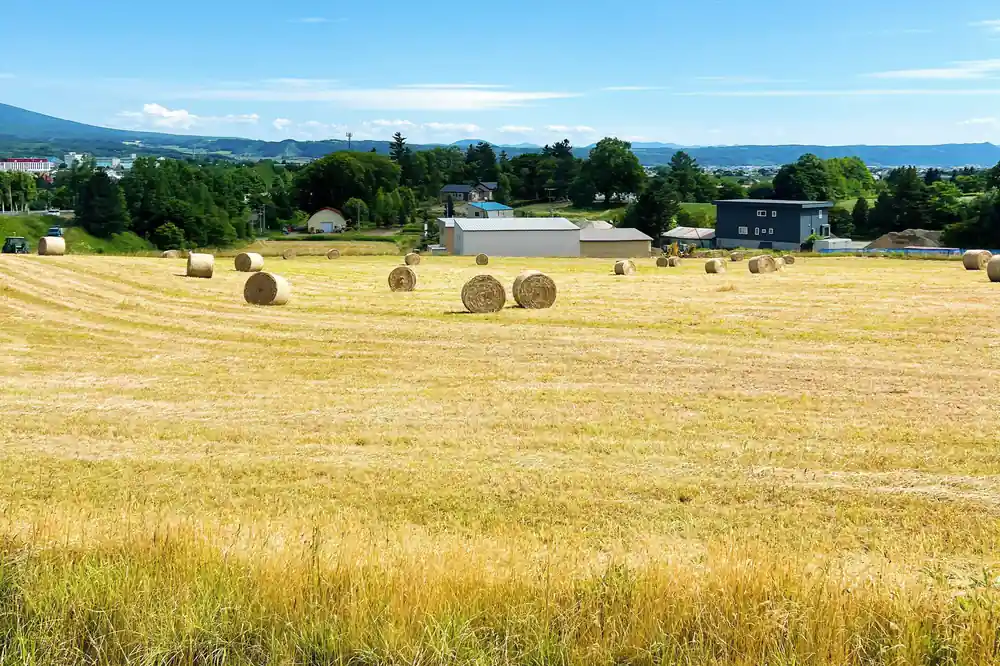
Wheat is an important part of Biei's agriculture. It is one of the four main crops that make up Biei's crop rotation cycle, the others being potatoes, beans and sugar beet.
Melons, Milk and Wine: Is the Farmland Day Worth It?
On the day out
- Coach comfort: the Sapporo day tours run by bus with fixed stops and set departure times.
- Sun protection: the flower fields are open and shade is scarce around midday.
- Layers: valley mornings and evenings stay cool even in high summer.
- Stay on paths and pull-outs, the fields around you are working farmland.
Before setting off
- Check the bloom calendar before booking, since flowers and lavender peak at different times.
- Reserve now and pay later is offered on the Sapporo day tours.
- Free cancellation is offered on the Colored Hokkaido listing.
- Check whether your listing is a coach tour or a small group departure before you choose.
Volcanic Ash: The Hidden Foundation of Furano's Soil
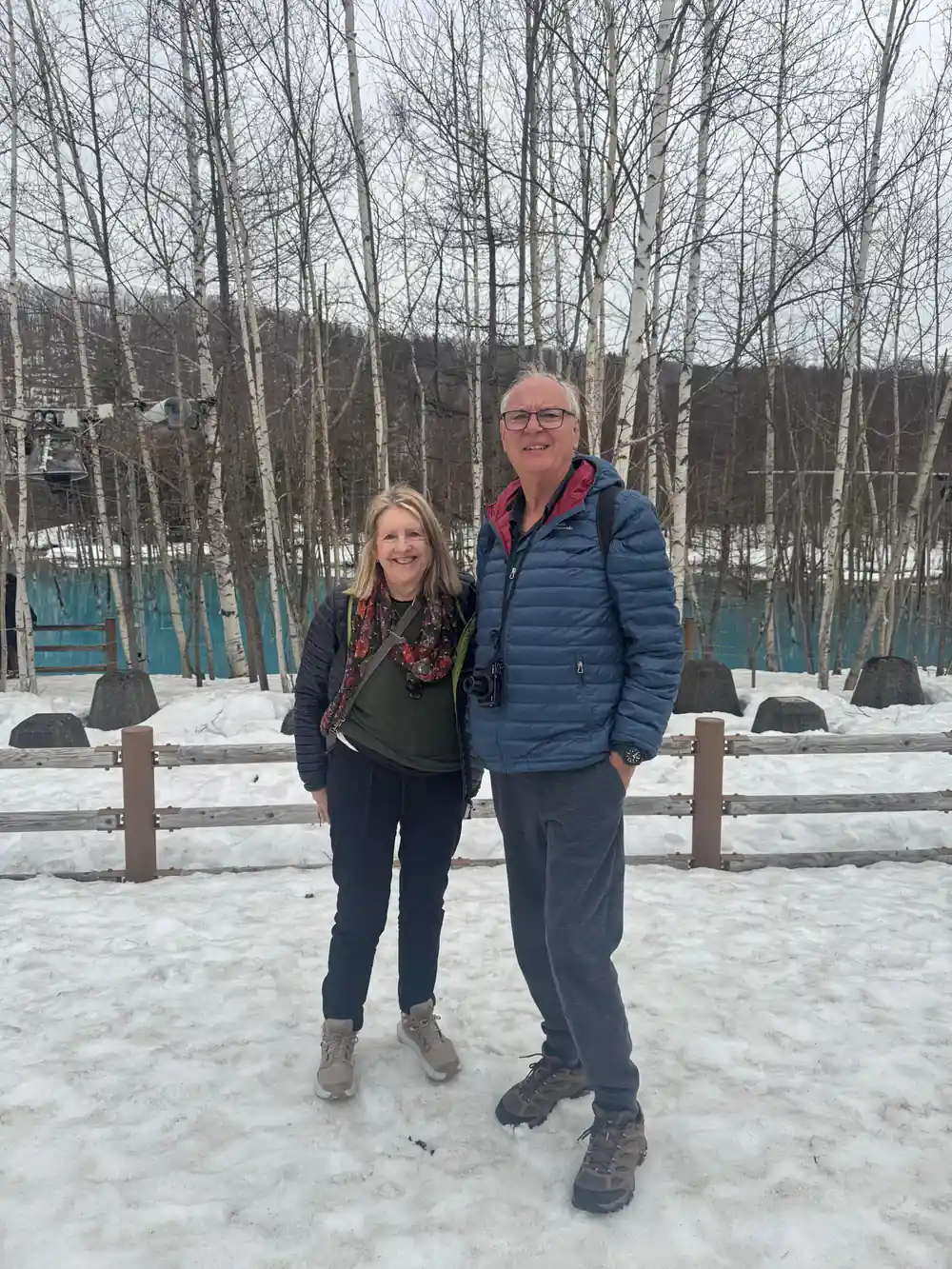
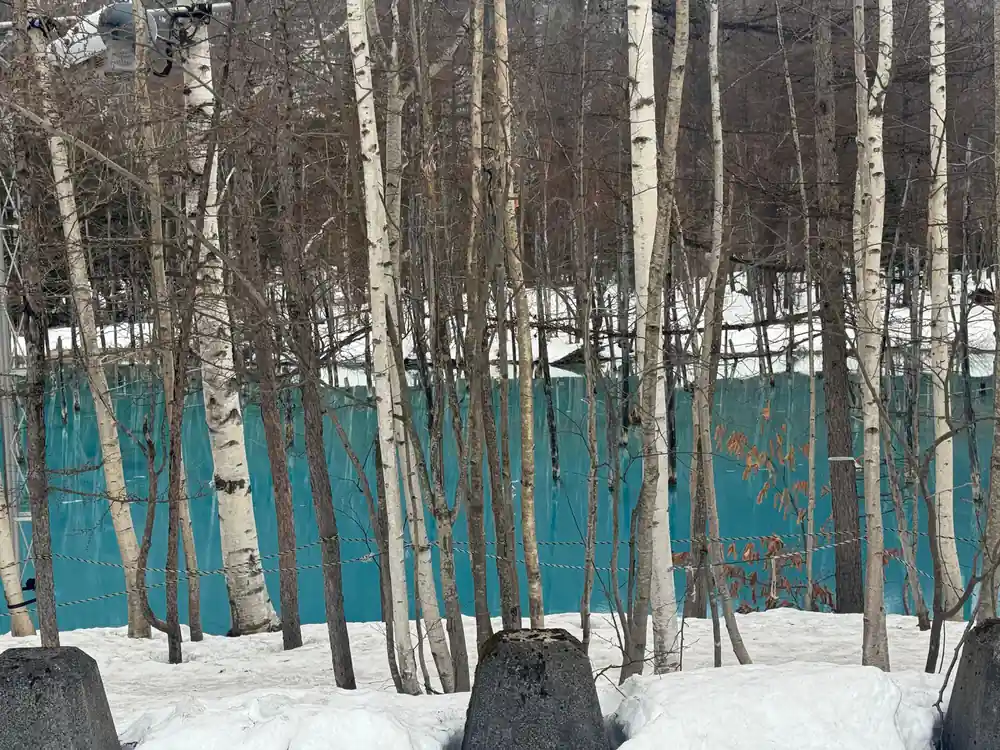
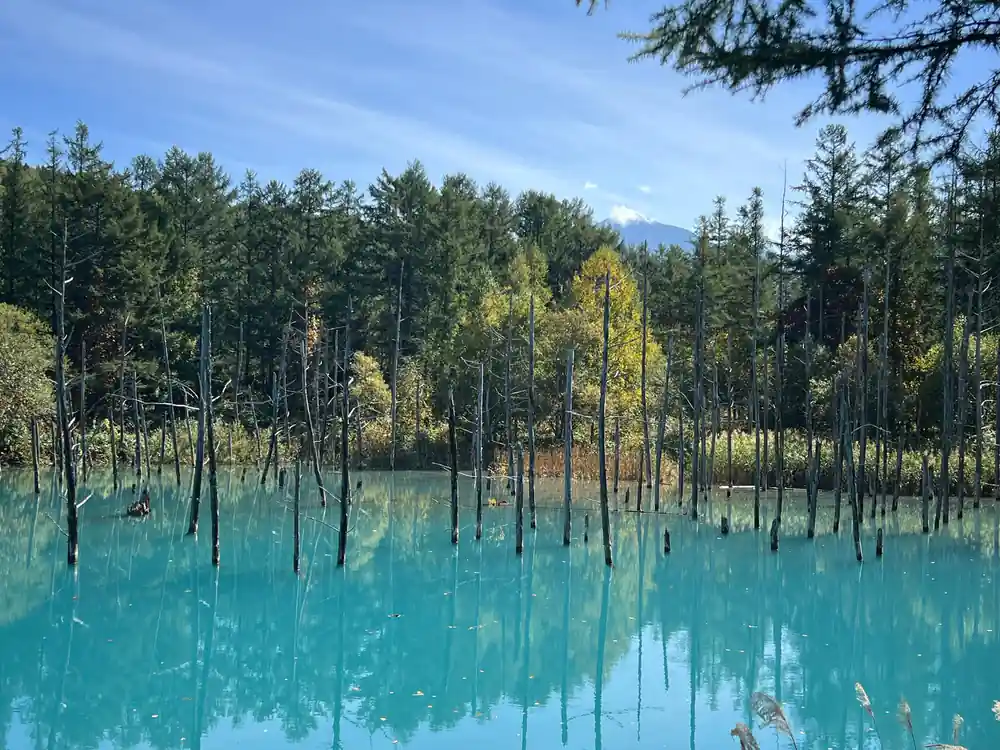
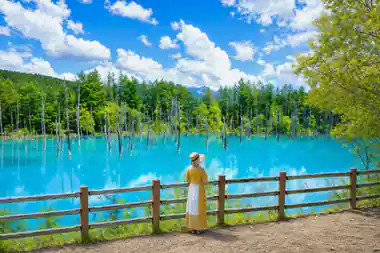
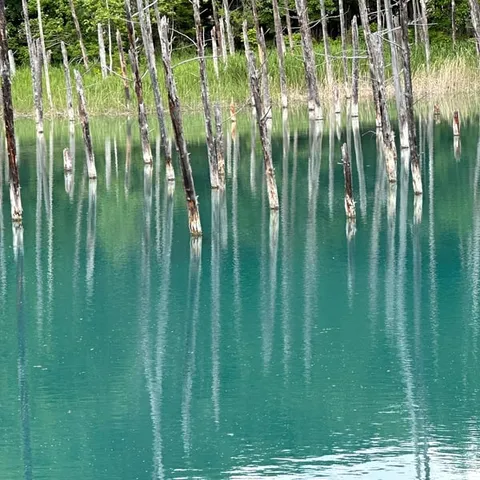
Furano and Biei sit in the lee of Tokachidake, a volcano with an elevation of 2,077 m (6,814 ft) whose last eruption was in 2004.[1] Ash and minerals from that long volcanic history have spread across these fields, and the soil that results is light, stony and quick to drain, which suits the dry-field crops grown on the hills. You can read a version of the same mineral story in the water further up the valley. The Shirogane Blue Pond is blue because suspended aluminium hydroxide colloids in the water scatter blue light in a process called Rayleigh scattering.[8]
The pond itself is far younger than most people guess. It was created accidentally in 1988 when erosion control dams were built along the Biei River to protect against mudflows from the active volcano Tokachidake.[9] Dead Japanese larch and white birch trees still stand upright in the water, what was once a dry patch of forest, now holding their shapes like a sculpture garden.[10] The pond also travelled a long way beyond Hokkaido: it was featured in Apple's WWDC 2012 MacBook Pro with Retina Display introduction.[11]
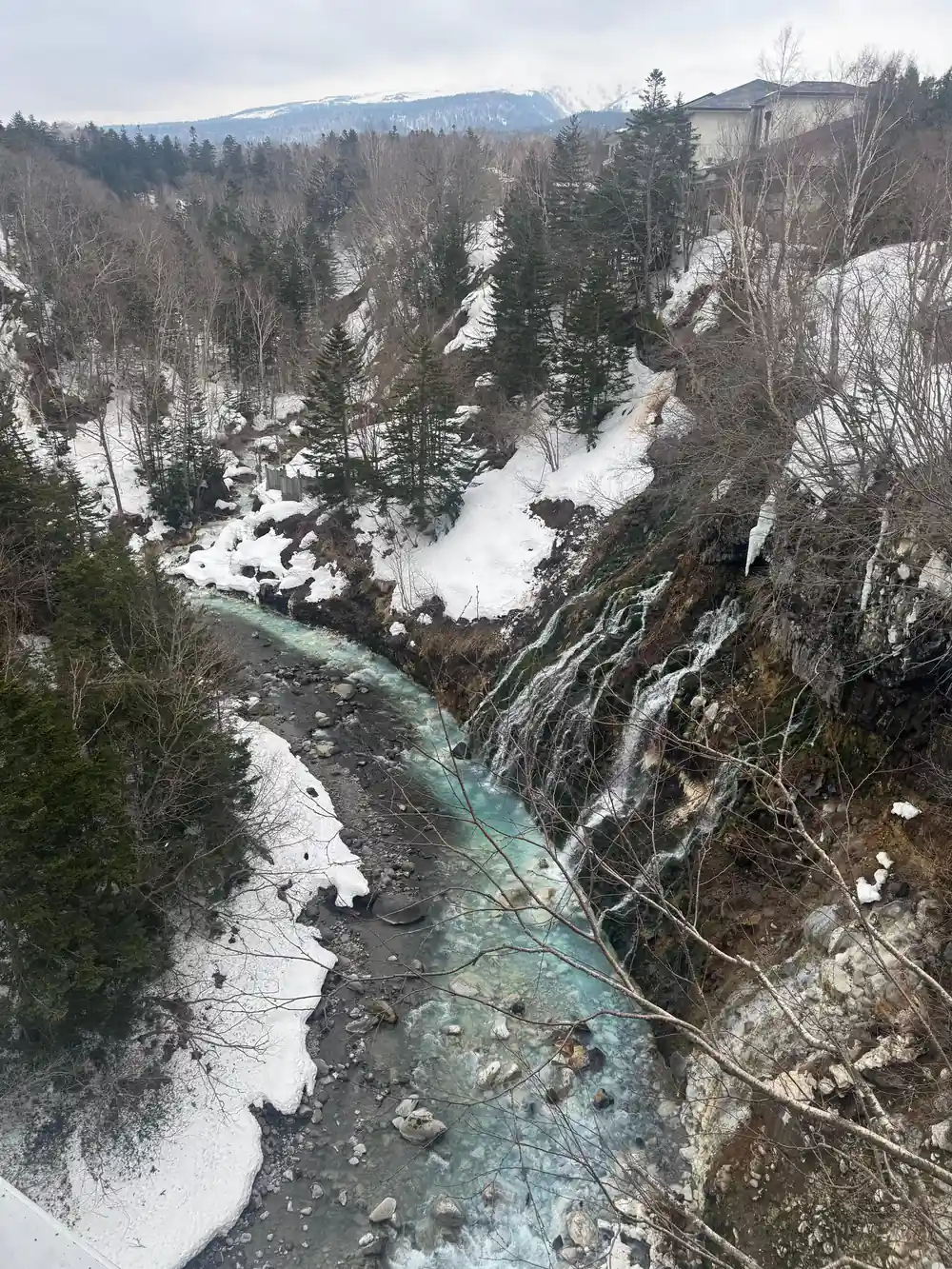
Water is never far from the farmland story here. Shirahige Falls drops approximately 30 meters into the Biei River and is a rare subterranean stream waterfall whose water flows directly from cracks in the rock face.[12] For a day trip, the practical point is simple. The farms, the falls and the blue water sit close together, which is how a single coach day can take in Patchwork Road, Shikisai No Oka, Farm Tomita and the Blue Pond.[5]
Furano Melons: The Fruit of a Short Hot Summer
Biei has a cold continental climate with warm summers and freezing winters,[13] and the melon grounds around Furano sit in the same belt of farmland, where the growing season is short and bright and the winter is long and white. Melons suit that rhythm, ripening quickly once the heat arrives, and a good one is treated here as a summer luxury rather than an everyday fruit. You will see them in farm shops, in city department store food halls, and on some tours laid out as an all-you-can-eat stop.
If melon is the reason you are heading north, build the day around it. A Furano lavender, Ningle Terrace and melon buffet bus tour starts from US$46.[2] On a bus tour, the food stop happens at a set point in the schedule, so eat a light breakfast, keep some appetite in reserve, and bring a small bag for anything you buy at the farm shop afterwards.
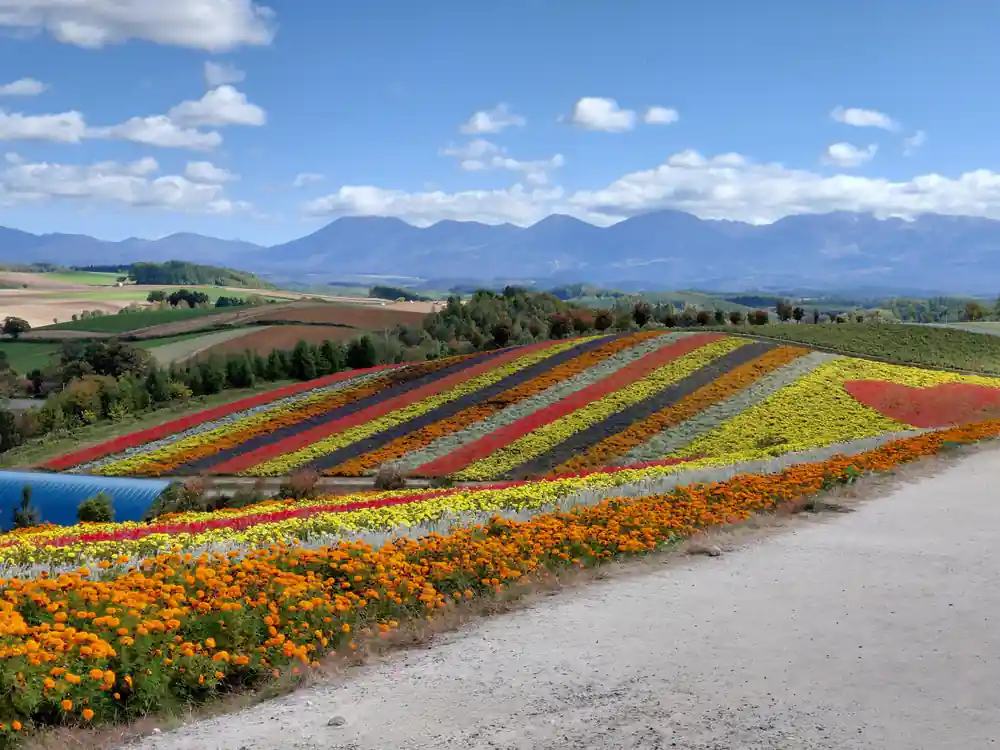
Colour in bands: the flower fields on the hills above Biei in high summer.
Cold-Climate Winemaking in a Mountain Valley
A wine stop makes a good counterweight to a morning in the flower fields. The Furano Wine Factory sits in the same belt of farmland as the melon grounds and the lavender, and it is often fitted into a wider loop that takes in the Biei hills and the Blue Pond. Cold winters and a short, sunny growing season shape what can be planted across this valley, and vines have become part of the local answer to that climate, alongside the crops that fill the fields.
How long to spend at Furano winery is the kind of question that answers itself once you are standing there. On a coach day the stop runs to the driver's timetable, so you walk the site, taste what is poured and get back on board. On a self-drive day you set the pace, and the useful habit is to leave more slack than you think you need, because car parks and tasting counters both slow down in midsummer. If you would rather hand the driving to someone else, the Colored Hokkaido tour from Sapporo starts from US$48 and lasts for one day.[5]
Hokkaido Dairy: Rich Milk from Mountain Pastures
Dairy is the quiet giant of this landscape. The valley floor and the lower slopes are given over to grass, cut and rolled into bales in summer and buried under snow in winter, and much of the milk, butter, cheese and soft ice cream sold along the route comes out of that grass. It is worth slowing down for a farm shop. A cold glass of milk or a cone eaten in a car park with the fields in front of you is one of the plain pleasures of a Hokkaido summer.
How long to spend at Furano Cheese Factory is a decision best made with your group in mind. If you are travelling on a coach, the stop is set by the schedule, so walk in, look at what is sold, and come back to the bus in good time. If you are driving, you can take a proper break and sit down for a while. Furano Cheese Factory hours are worth checking the week you travel, and Furano Cheese Factory opening hours should be confirmed for the exact day, since a wasted detour in a rural valley eats a lot of an afternoon.
from US$48
From Sapporo: a one-day coach tour stopping at Patchwork Road, the Blue Pond, Shikisai No Oka, a local restaurant and Farm Tomita.[5]
Why the Fields Look the Way They Do
Wheat is one of the four main crops in Biei's crop rotation cycle, the others being potatoes, beans and sugar beet, and together they form part of the patchwork landscape on Biei's hills.[14] That rotation shows in the hillsides through the season. One strip is in flower, the next has been cut, and a third is bare soil waiting for its turn. Rice paddies are not what you pass here. These are dry fields, and the crops in them are the same four that make up the rotation.
The scale of the farming is easy to misjudge from a bus window. Biei's population was 9,775 as of 31 December 2020,[15] and the fields that carry the district's name are worked by farming families whose year is planned around a short growing season and a long, hard winter. Strips are planted, cut and cleared in sequence, and the lines you photograph from the roadside are the edges of those strips.
Patchwork Road: The Landscape of Agricultural Precision
Patchwork Road is the name given to the lanes northwest of Biei where small fields of different crops sit side by side, and it is one of the stops on the Colored Hokkaido tour, which runs from two starting points in Sapporo by coach to Patchwork Road, the Blue Pond, Shikisai No Oka, a local restaurant and Farm Tomita.[5] What you see from the roadside is a working agricultural landscape rather than a garden: narrow strips, windbreaks, farmhouses and the occasional lone tree in a field.
Getting there without a tour is possible. From Biei Station, the Blue Pond is about 20 minutes by Dohoku Bus route 39, and from Sapporo it is about 1 hour 25 minutes by JR Limited Express to Asahikawa plus 60 to 70 minutes by bus.[16] The same roads serve the farmland viewpoints, so a self-drive day gives you the freedom to stop where you like, while a coach day takes parking and navigation out of your hands.
Shikisai No Oka: Where Soil and Flowers Meet
Shikisai-no-oka is a set of panoramic flower gardens in Biei spread across fifteen hectares of land,[3] and it is the stop on the tour where colour arrives in bands across a hillside rather than in tidy rows. The ground is worked in strips, so the beds read as a quilt of separate colours, and the slope lets you see most of it without climbing far.
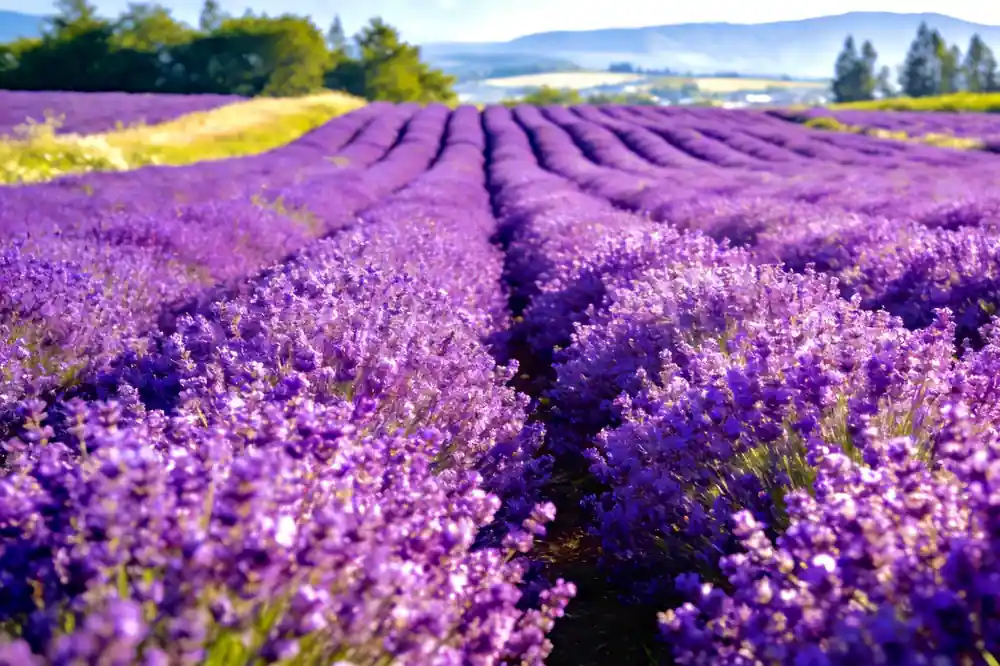
Timing decides what you actually see. At Farm Tomita's Traditional Lavender Field, lavender blooms from late June to late July, with the best viewing season from early to mid-July.[4] Outside that window the fields still work, but the purple is gone and the interest moves to other flowers and to the crops themselves. Winter is a different trip altogether: the Blue Pond winter illumination runs from October 24, 2025 to April 22, 2026, with lighting until 9:00 PM, and the start time shifts by month.[17]
Sapporo day tours to Biei and Furano farmland, from-prices
US dollar from-prices for Sapporo day tours covering Biei and Furano:[18],[19],[20],[21],[6].
Furano and Biei day tours, from-prices in US dollars
US dollar from-prices:[2],[5]. Child rates are not given by these listings; check at booking.
When to plan your farmland day
Planning the farm day
Pick your season
Lavender, melon, dairy and autumn colour all peak at different moments, so start with the one you care about most.
Choose coach or car
A coach day from Sapporo removes navigation and parking. A self-drive day gives you the freedom to stop at farm shops along the way.
Book early in summer
Summer dates go quickly, so book ahead. Reserve now and pay later is offered on the Colored Hokkaido listing.[5]
Dress for the valley
Mornings and evenings are cool, midday sun in the fields is strong and paths get dusty, so bring a layer, a hat and comfortable shoes.
Leave room for food
Melon, milk, cheese and a wine stop are part of the day, so keep space in the schedule and in your appetite for them.
See the farmland, the flowers and the Blue Pond in one day
from US$48Reserve now & pay later