At a glance
- Colored Hokkaido: Furano Flower & Biei Blue Pond From Sapporo runs 1 day from US$48, with free cancellation up to 24 hours in advance.[1]
- The route stops at a local restaurant, then at Shikisai No Oka and Farm Tomita, where farm counters do most of the snacking.[1]
- Furano melon turns up in summer listings, including a melon buffet bus tour from US$46 that also visits Ningle Terrace.[2]
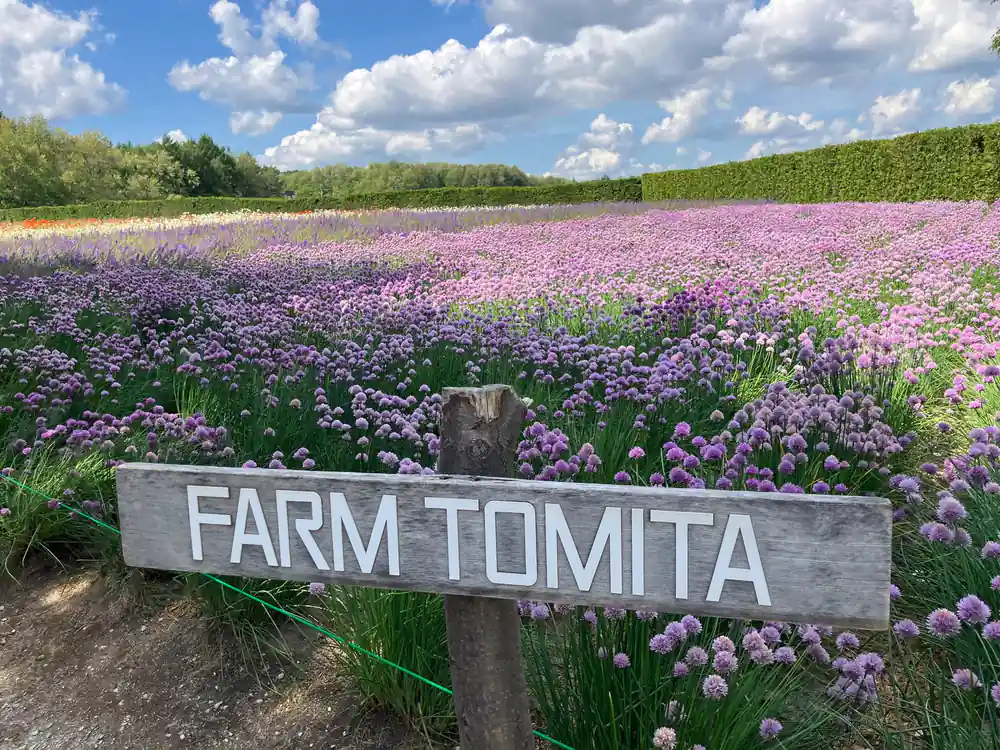
- Farm Tomita's Traditional Lavender Field blooms from late June to late July, with the best viewing season from early to mid-July.[3]
- A soft serve by the Shirogane Blue Pond is the classic end to the day; the pond is blue from Rayleigh scattering in the water.[4]
- Top choice Furano & Biei from Sapporo from US$48 Duration1 day[1]Guide languagesEnglish, Chinese, Japanese, Korean[1]Rating4.56 from 122 reviews[1]Free cancellation24 hours in advance, full refund[1] Check availability
- Asahiyama Zoo & Blue Pond from US$48 Duration9 hours - 1 day[5]Guide languagesChinese, English[5]Rating4.49 from 47 reviews[5]Free cancellation24 hours in advance, full refund[5] See this tour
- Biei Best 5 Photo Tour from US$60 Duration10 - 10.5 hours[6]Guide languagesEnglish, Korean, Chinese[6]Rating4.72 from 77 reviews[6]Free cancellation24 hours in advance, full refund[6] See this tour
Wheat is an important part of Biei’s agriculture. It is one of the four main crops that make up Biei’s crop rotation cycle, the others being potatoes, beans and sugar beet.
Is the Furano and Biei lunch day worth booking?
Before you leave Sapporo
At the food and flower stops
- A local restaurant stop sits between Shikisai No Oka and Farm Tomita.[1]
- Carry yen for farm stalls, small shops and vending machines along the route.
- Lavender at Farm Tomita blooms late June to late July, best in early to mid-July.[3]
- Biei has a cold continental climate with warm summers and freezing winters.[7]
How lunch works on the Furano and Biei coach day
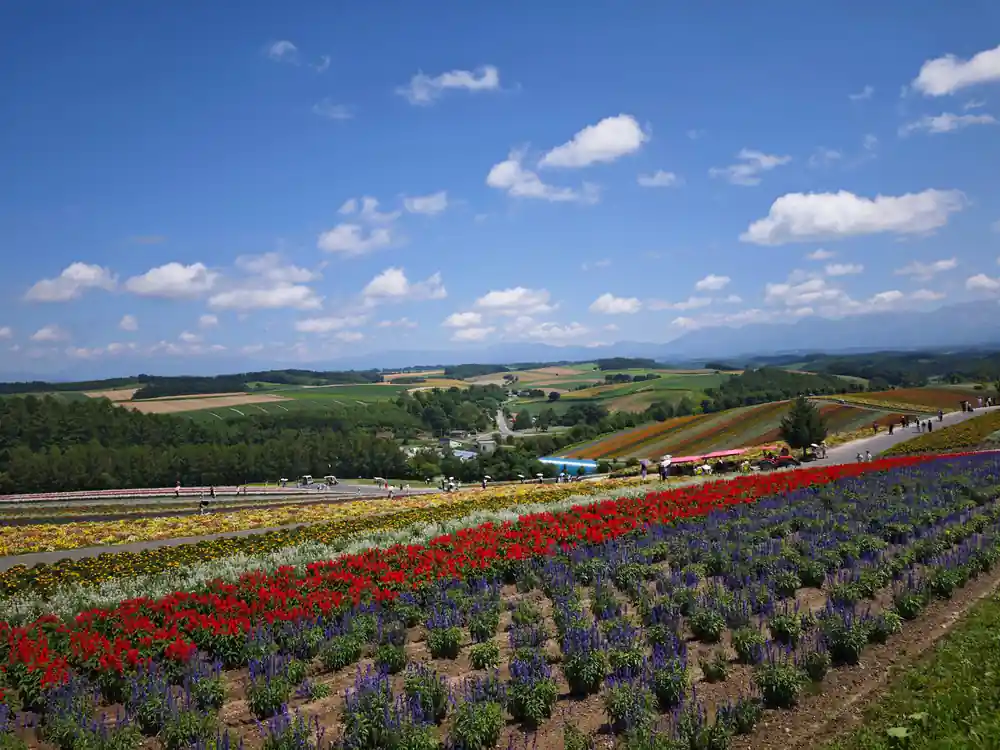
A day out to the Biei hills is mostly a coach day, and food slots into it in two ways: a sit-down at a local restaurant, plus a scatter of farm shops, garden counters and roadside stalls. Colored Hokkaido: Furano Flower & Biei Blue Pond From Sapporo runs for 1 day, starts from 2 starting location options, and calls at Patchwork Road in Biei, Biei, Shirogane Blue Pond, Shikisai No Oka, a local restaurant, and Farm Tomita before 2 drop-off locations.[1] Read that order as your day: views first, then the restaurant, then flowers and farm food on the way back to Sapporo. The tour is guided in English, Chinese, Japanese and Korean.[1]
The itinerary is a fixed loop, and it pays to decide early what you want from each stop. Farm stops are where people buy soft serve, melon, corn and small souvenirs, while the restaurant stop is the place for a sit-down bowl of something hot. If you would rather not queue, eat at the first food stop you reach rather than waiting for the next one, and keep a snack in your bag for the long stretches between Biei and Sapporo. Water is easy to buy along the way, but a refillable bottle saves money and plastic, and the coach ride is a good time to drink it. Nothing ruins a flower stop quite like being hungry or thirsty when the coach doors open.
What to eat in Furano and Biei: fields, curry and dairy
What to eat in Furano and Biei comes down to what the fields grow. Wheat is one of the four main crops in Biei's crop rotation cycle, the others being potatoes, beans and sugar beet, and these form part of the patchwork landscape on Biei's hills.[8] That farming mix shows up on menus in familiar shapes: noodles and bread from wheat, croquettes and hot pots from potatoes, sweet bean paste in wagashi and pancakes, and sugar beet behind a great deal of what tastes sweet. You do not need to chase a famous restaurant to eat well here. The best meals on this route are often the simple ones, cooked close to the fields they came from.
Furano curry is the dish most travellers end up talking about, and it is served in the town and at the farm areas: a mild, slightly sweet curry with rice, often topped with a pork cutlet or a pile of vegetables. Beyond curry, look for sweet corn, tomatoes, asparagus early in the season, pumpkin later on, dairy in every form, and soft serve in lavender, melon and plain milk flavours. Farm kitchens tend to serve generous portions, and set menus are common at lunchtime. If you only have one sit-down meal in you, make it the curry, and leave room for something cold afterwards.
Farm shops and stalls along the Biei and Furano loop are where the day's snacks come from.
Furano cafe stops and farm cafes worth a pause
For a slower break, the Furano cafe scene runs from town-centre coffee shops to farm cafes with a view over the fields. Many are small, family-run places where the menu shifts with the season, and where a set lunch of soup, bread and cake is more common than a long list of dishes. Look for signs on the road between Furano and Biei, and remember that a farm cafe often means a table and a view rather than a queue at a counter. Coffee in this part of Hokkaido is taken seriously, and a good cup is a fine excuse to sit still.
Some coach days run with smaller numbers, which makes a cafe stop easier. Sapporo: Hokkaido Biei Furano Flower Sea Tour Blue Pond lists private or small groups available, runs 10 hours, and is from US$43, with pickup available.[9] Furano & Biei Day Tour with Lavender Pillow-Making option adds a hands-on craft stop, runs 10 hours and is from US$48.[10] Either one leaves you room for coffee between the flower fields, and both keep the same northbound shape as the main route.
Melon, farm sweets and produce stalls in summer
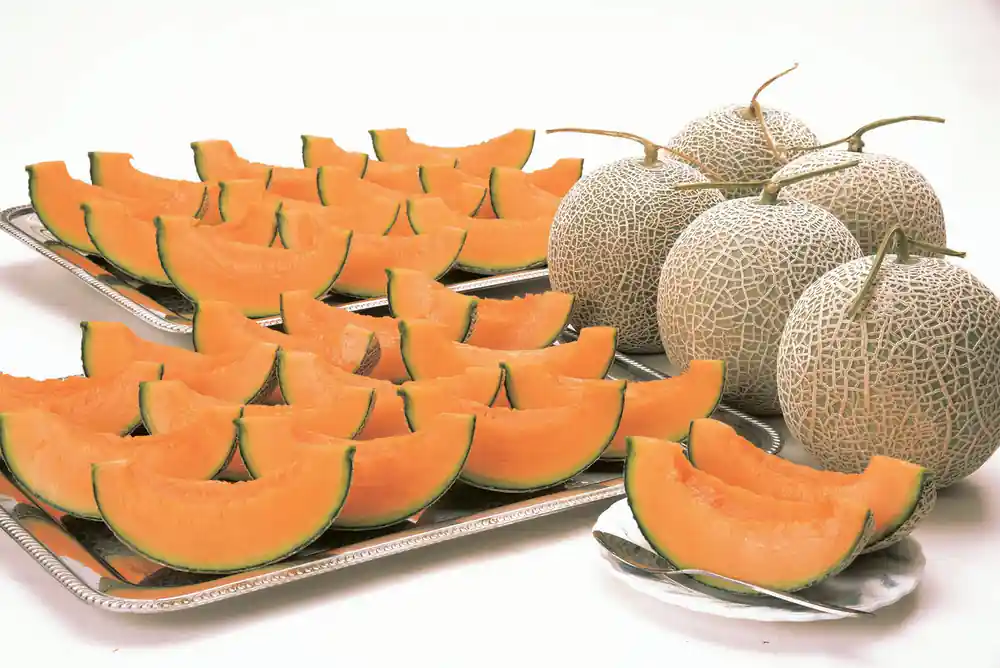
Summer is when the food stalls hit their stride, and melon is the headline act. Furano Lavender, Ningle Terrace & Melon Buffet Bus Tour runs 10 hours and is from US$46.[2] Melon sold by the slice at a farm gate is the simplest way to try it, and the smell of a ripe melon is worth the stop on its own. If you are travelling in high summer, plan your melon money early and eat it outdoors while it is cold.
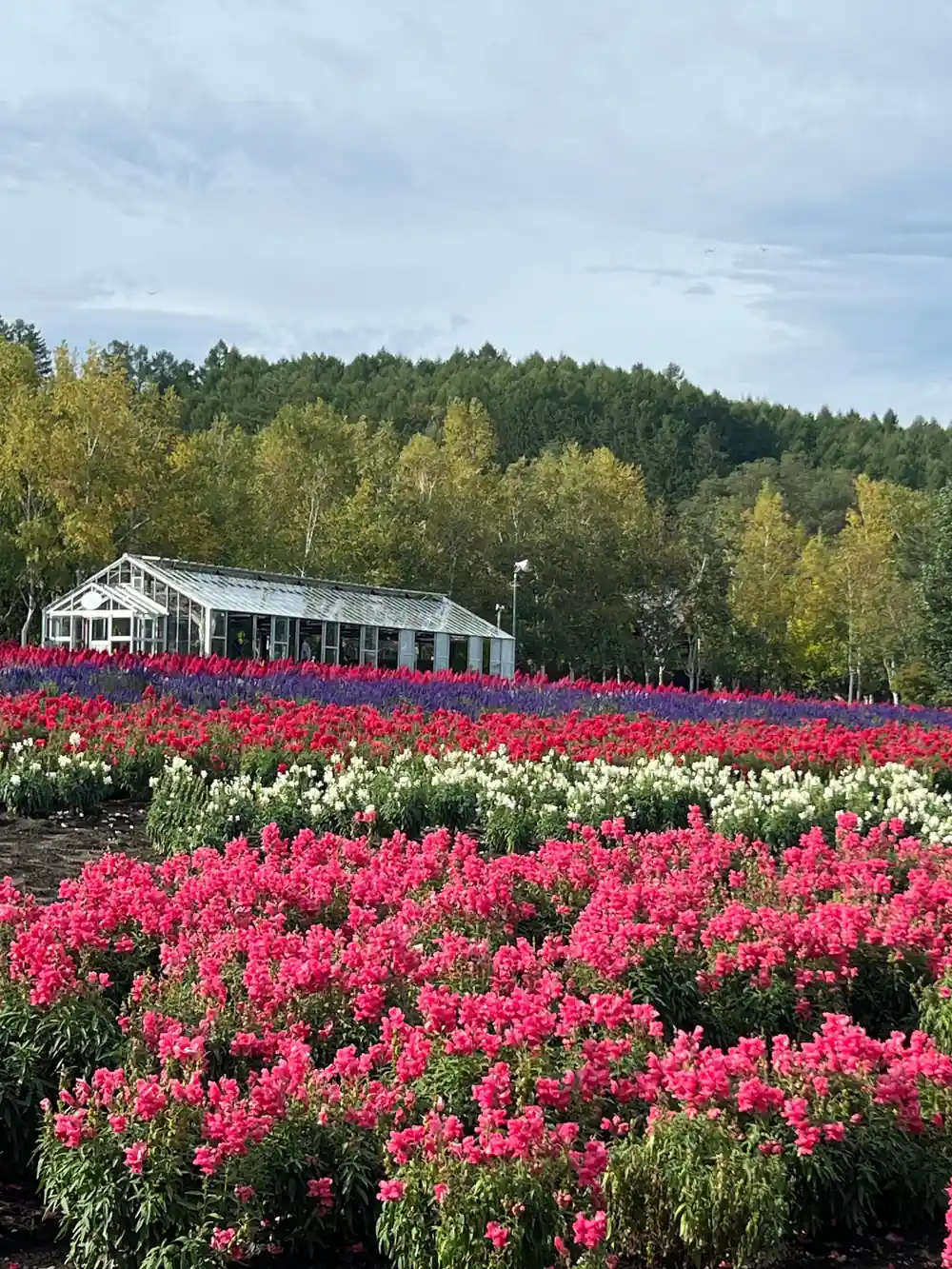
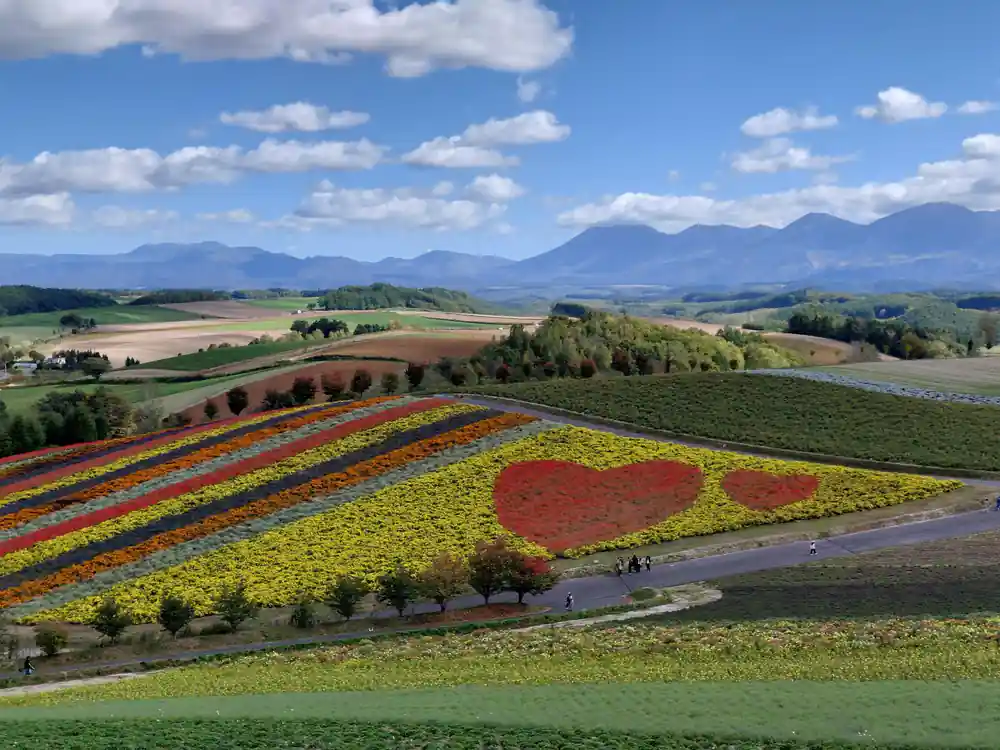
Farm stands around Biei and Furano sell whatever is ready that week, along with the jams, juices and dried goods made from those crops. Prices are set stall by stall, and small stands are not the place to rely on a card, so keep coins and a few small notes somewhere easy to reach. Farm Tomita's Traditional Lavender Field blooms from late June to late July, with the best viewing season from early to mid-July.[3] Shikisai-no-oka spreads across fifteen hectares of flower gardens, and its counters are a handy snack stop between fields.[11] Lavender-flavoured soft serve is a summer staple, and it is the one thing most people photograph before they eat it.
from US$48
Colored Hokkaido: Furano Flower & Biei Blue Pond From Sapporo runs the Biei loop in 1 day and calls at a local restaurant.[1]
Shirogane Blue Pond ice cream and scenic stops
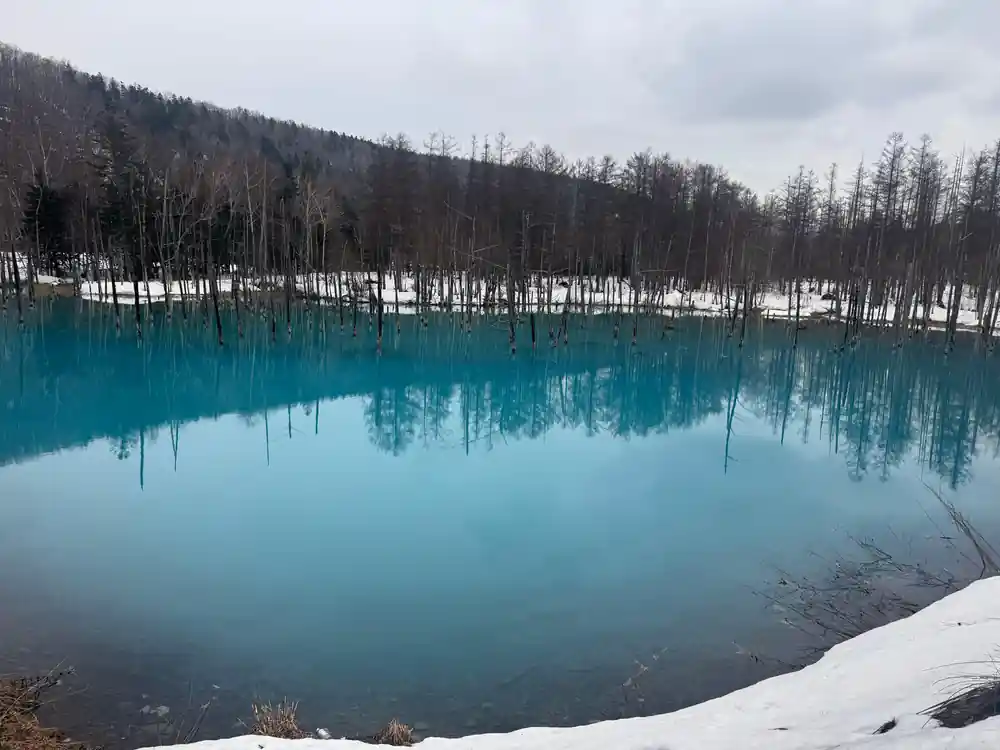
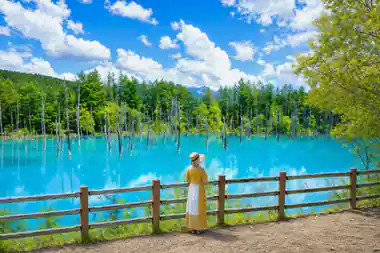
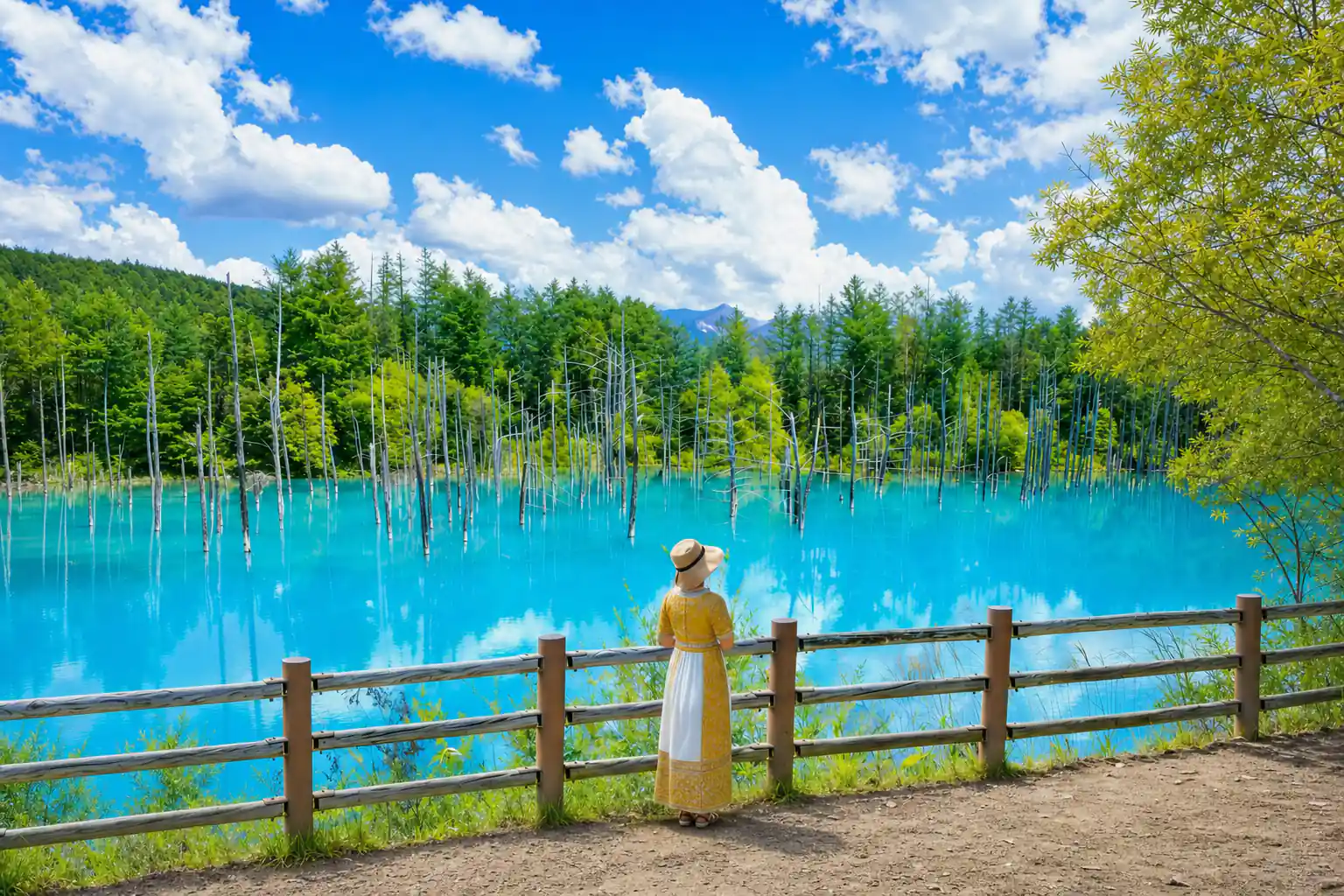
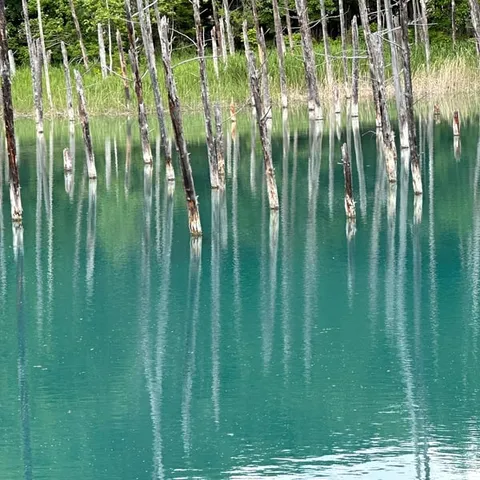
The Blue Pond is the moment most people plan their day around, and a small shop area near the water is where soft serve, coffee and cold drinks come from. Shirogane Blue Pond ice cream has become a quiet ritual on this route, eaten on the way down before the gravel path fills up. The pond is blue because suspended aluminium hydroxide colloids in the water scatter blue light in a process called Rayleigh scattering.[4] It was created accidentally in 1988 when erosion control dams were built along the Biei River to protect against mudflows from the active volcano Tokachidake.[12] The dead Japanese larch and white birch trees standing in the water are what was once a dry patch of forest.[13]
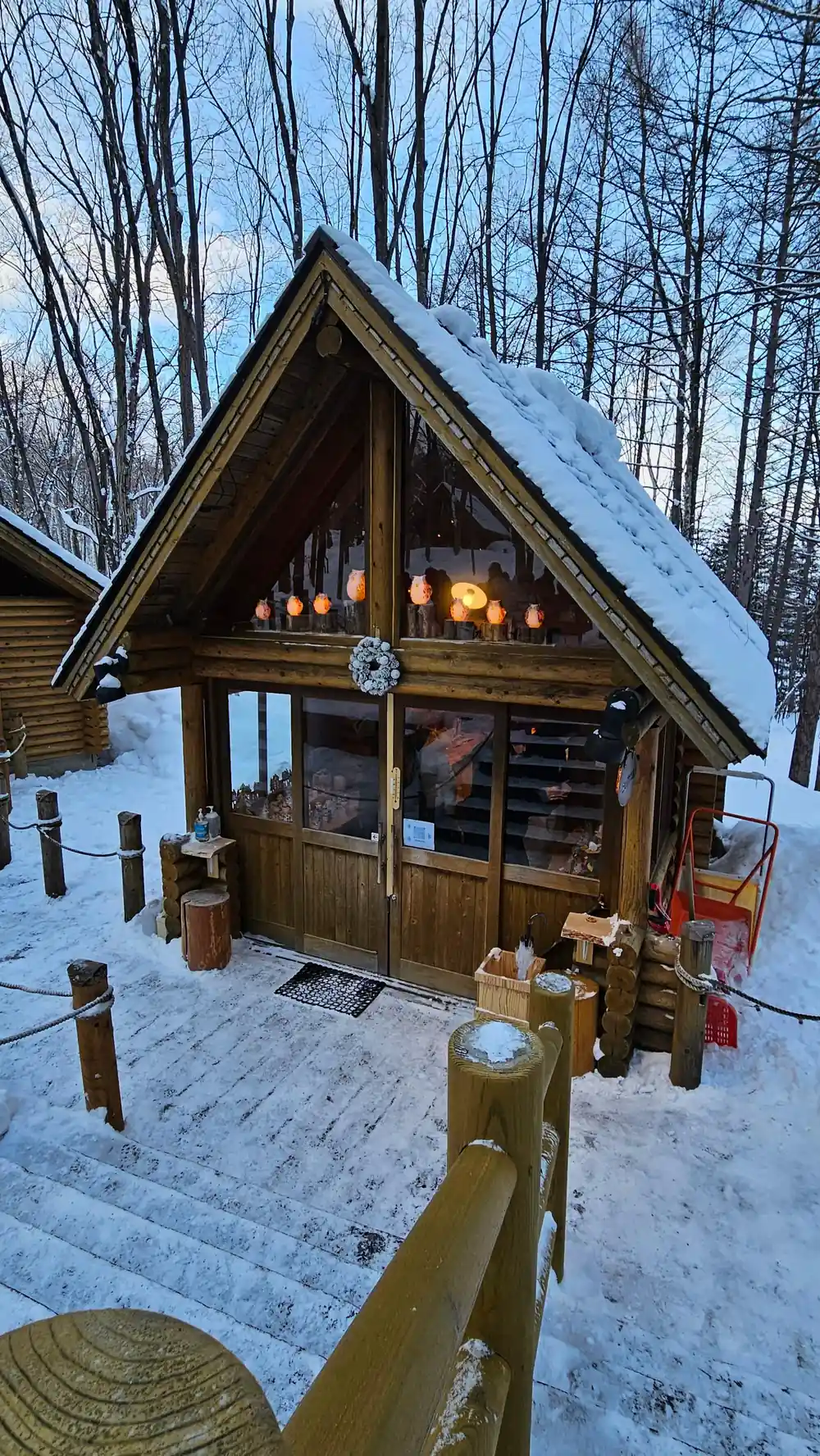
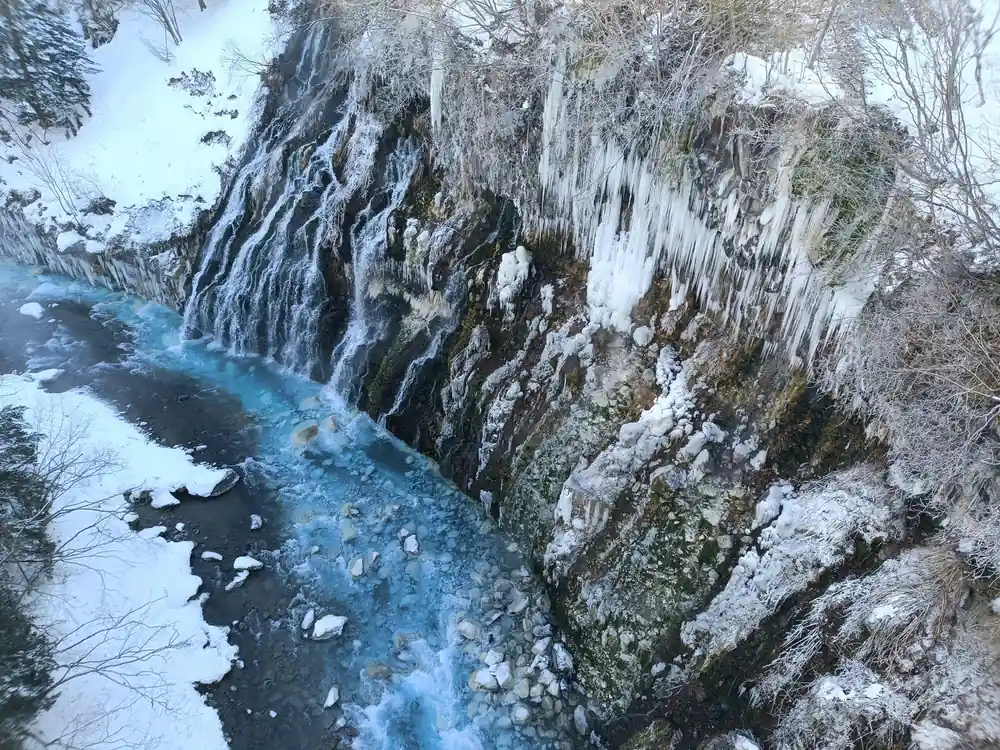
A few minutes away, Shirahige Falls drops approximately 30 meters into the Biei River and is a rare subterranean stream waterfall whose water flows directly from cracks in the rock face.[14] Pond, falls and a cafe make a comfortable half hour, and the light on the water shifts through the afternoon. Sapporo: Blue Pond & Furano Flower Sea Tour /w Shirahige Fall is from US$43, is limited to 13 participants, and includes a local restaurant stop.[15] In winter the pond is lit until 9:00 PM[16], which turns the same stop into an evening visit with a very different mood.
Cash or card at rural food stops along the route
Rural Hokkaido runs on cash more than the cities do. Farm stalls, small shops and counters at scenic spots take coins and notes, and card readers can be patchy once you are past Asahikawa. Draw some yen in Sapporo before you set off, keep a mix of coins and small notes, and treat card payment as a bonus rather than a plan. If you are unsure, ask before you queue with a tray. Vending machines are everywhere and are a reliable backup for drinks, usually in coins.
Paying for the tour itself works differently. The Colored Hokkaido tour lists reserve now and pay later, plus free cancellation up to 24 hours in advance for a full refund.[1] The Asahiyama Zoo, Waterfall, and Blue Pond Tour lists the same arrangements[5], as does the Biei Best 5 Must-Visit Day Tour (Late Departure).[6] Hold a date early, then change it if your flights move. Buying a coffee or a melon slice is a small cash decision, while booking the coach day is the one payment worth sorting out before you fly.
Dietary needs, allergies and snacks for the coach
Furano food near me is a fair way to frame a coach day: the food you eat is the food close at hand when the coach stops, so plan around the restaurant stop and the farm shops rather than a list of restaurants in town. Vegetarian eating is manageable but not automatic. Many Japanese set meals lean on fish stock, and a curry, a vegetable tempura set or a soba lunch is often the simplest request. If you avoid fish, ask about dashi, the fish-based stock, and carry a written note in Japanese if your needs are strict. It also helps to eat a proper breakfast, because the first stops of the day are viewpoints rather than kitchens.
Allergies are best handled with a written card, since staff at a busy farm stop may not have time for a long conversation in English. If a severe allergy is involved, bring safe snacks from Sapporo and treat the restaurant stop as a table for the group rather than a guaranteed meal. Carry water, a small snack, a light rain jacket and a hat, because a Biei day moves between warm fields and cool, breezy viewpoints, and a queasy coach ride is easier with something plain in your bag. Biei has a cold continental climate with warm summers and freezing winters.[7]
From-prices of Furano and Biei day tours with food stops
What a day out costs per traveller
US dollar from-prices of the GetYourGuide listings on this route:[1][2][9][17]. Child prices are not listed separately, so the adult from-price is shown for both.
When to book for lavender, melon and the lit pond
Plan your food day
Book the coach day first
Pick your date before you plan meals: the tour runs 1 day and free cancellation applies up to 24 hours in advance.[1]
Expect one restaurant stop
The coach calls at a local restaurant between Shikisai No Oka and Farm Tomita, so keep your main meal flexible.[1]
Pick your guide language
The tour is guided in English, Chinese, Japanese and Korean, so choose a date that suits your language.[1]
Carry some cash
Small farm stalls and rural shops are the likeliest places to need coins and notes, so keep a little yen aside for snacks.
Snack between stops
Stops come thick and fast on a 10 hour coach day, so a snack and a bottle of water in your bag help.[9]
Ride the Furano and Biei flower loop with a lunch stop built in
from US$48Reserve now & pay later